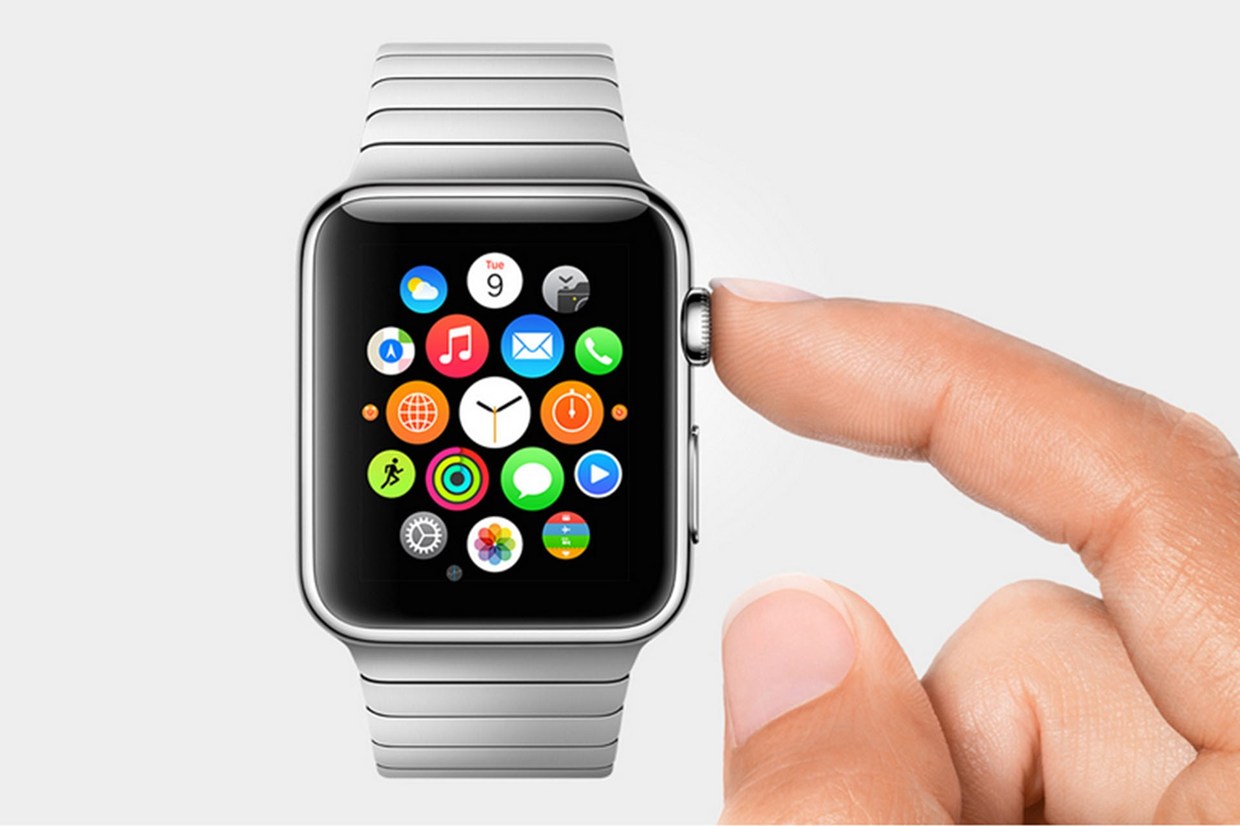
The Apple Watch is here. Kind of. It’s available for pre-order starting at £299 for the smaller Apple Watch Sport and goes up all the way to £13,500 for the Apple Watch Edition.
I pre-ordered mine on the first day possible and was still landed with a delivery window of sometime in June, so that gives me a lot of time to read reviews and worry that I’ve made a mistake and gone for the first iteration of a watch that is slow, needs a phone to do anything interesting and will undoubtedly get better with the following version (according to some of the first reviews I’ve read). Continue reading “Apple Watch: a seamless connection between the digital and real world?”→
Traditional vs. social news: There’s been a lot of discussion about how traditional media and new media failed in their coverage of the Boston Marathon bombing. I agree to a degree. CNN – and other news organisations – had a shocker and spent hours spinning a story about the bombers being identified before their identities were released by the authorities – a point that Jon Stewart (who isn’t the biggest fan of the network anyway) proceeded to make fun of on ‘The Daily Show’.
There’s also been much talk about how social media – mainly Twitter and, of all sites, Reddit – got the news wrong, as if they have some sort of obligation to get it right. That’s like accusing the patrons of your local pub of reporting the story in an inaccurate way. Social media, much like banter down the pub, isn’t subject to journalistic principles. It is bizarre to me that at times such as this people point the finger at social media and blame it for purposefully spreading misinformation. As much as technology like Twitter helps breaking news, facts, rumours and misinformation spread like wildfire, it isn’t the cause of that misinformation. The power to spread misinformation – or topple governments like during the Arab Spring – is with people, not technology.
Twitter doubles account security: While we’re on the topic of misinformation spreading on social media, this week saw yet another high profile Twitter account getting hacked. The Associated Press appeared to tweet that explosions had hit the White House and President Barack Obama had been injured. The account was immediately suspended and the tweets removed, but not before the Dow dropped about 200 points. No wonder then, that people are relieved that Twitter is finally ready to roll out two-factor authentication, a second layer of security that requires a code to either be sent to an authorised mobile device or generated via some sort of app or key-fob.
Crisis management: An interesting take on crisis management – as seen from the perspective of @jameslyne, one of the top IT security bods at Sophos. Great to see that after IT colleagues, the next team he has on the list is PR.
Interactive infographics: The aptly named ThingLink allows you to post images with extra layers of information in them such as videos and links to other supporting stories to Facebook, Twitter and many other platforms (except for WordPress it seems… grrr). Youtube videos and audio clips play in the image, text links provide a short preview and open in a new window – making for a decent user experience (at least on a desktop!). Doctors Without Borders have tried the new technology to provide an interactive guide on how they respond to crisis around the world; Cnet use it to provide a review of the new Galaxy S4; and you can check out many more ways brands and people are using ThingLink on their site. So what? you cry? Well, ThinkLink generates ‘more than five times as much engagement’ on Twitter (HT @BrionyIvy).
Data porn: Wolfram Alpha’s Facebook plugin has been live for a while and this week, the computational search engine published a fascinating dissection of Facebook data. The data provides insight into how Facebook users’ circle of friends change over time (especially in age), how their interests change as they grow older, and when their relationship status shifts from single to in a relationship to engaged to married. Now, before you go off and say, pffff, that’s just Facebook. Nobody tells the truth on Facebook – Wolfram concludes that (at least for the US) the data corresponds closely to official census data.
Source: Wolfram Alpha
Environmentally friendly suicide: “Right. Guys. We’ve got this new car. 100% water emissions. Environmentally friendly. How do we get that message across in our next ad?” Here’s how Hyundai answered this challenge (I tried to embed the video, but copies are being taken down like crazy by Hyundai). The mind boggles. Twitter wasn’t impressed. Holly Brockwell, who publishes the Copybot blog, posted a withering response to the ad, talking about how her father had committed suicide as depicted by the ad. It was quickly pulled from Hyundai’s Youtube channel but of course by then, many copies had already been made and the news spread (HT @a_little_wine).
Feed the troll until it bursts: The general consensus on social is to not feed the trolls. They’re bored, looking for a fight, to get a rise out of you, to see if they can get you to breaking point. Well, whoever manages the @Cineworld Twitter feed is the exception that proves the rule. Seriously, worth reading the entire exchange – if you have a bit of spare time! @Lakey from econsultancy takes a closer look at the exchange and why not more companies handle customers this way.
@cineworld Why delete my tweet without a response? Just wanted to know the justification of £8.30 per ticket to watch a standard 2d film?
Location based recommendation: Foursquare continues its shift from check-in to a search an discovery space. Turns out that over 50 million people have visited its homepage in the last two months.


 Bits and Bytes