Search

Bits and Bytes

Thoughts on digital, running rambles and photos

Tag

twitter

Apple goes colour/biometric, Twitter IPO/future, Phoneblok and this week’s bits and bytes

#JSFishFinger: We have a winner. The honour and a £25 Sainsbury’s voucher for being @SainsburysPR‘s favourite Fish Finger Sandwich was awarded to @DomSoar for his epic fish and chips with homemade mushy peas on thick buttered white bread with tomato and Tartare sauce. We were impressed with Dom’s successful work in bringing together two classic dishes in a most precise fashion. Tasty.

Colourful plastic cases and fingerprint ID: The new Apple phones are here. Charles Arthur reckons that the 5c will be popular, even if it’s not as cheap as many had hoped. The 5s however is the model that the Apple fan boys will be most interested in. A faster processor, a new camera alongside some new photography functions such as ‘burst mode’ and ‘slow motion video’ will appeal to the Instragramers and Viners out there.

The reaction to the new iPhones on social was rather negative as WeAreSocial were quick to point out.  Mentions of the 5c were mostly negative, with 45% of conversations criticising its design and 36% questioning its price. The 5s in turn was mentioned 66% less than its predecessor the iPhone 5 a year go. The Poke has taken a less scientific way of looking at the social response – they’ve just picked some of the funniest Tweets.

The biggest reaction to the new colourful range of iPhone 5c however went to Nokia, who, while Apple’s event was still running, tweeted an image of their range of colourful Lumia handsets and thanked Apple for paying them such a huge compliment by copying their idea.

Apple’s share also took a hit as investors were unimpressed with Apple’s pricing strategy and the lack of a distribution deal in China.

One feature with the new 5s that does terrify me a little though is ‘Touch ID’, the fingerprint passcode function, where you can teach your new phone up to five fingerprints that will then unlock the phone and even work as a password for purchasing music through iTunes. Apple was quick to confirm that fingerprint data is not stored on any servers and that they will only ever remain on the phone. However, with a phone inherently connected through mobile networks or wifi, I’d think it only a matter of time hackers are stealing your biometric data along with your phone number and any other data stored on your phone.

Also, if your password is compromised – you can change it. But what happens when your fingerprint is compromised? You can’t change that so easily. Boing Boing looks at this paradox of using biometric data for authentication and why it may not be as safe as we like to think it is.

And what the hell does the S and the C stand for anyway? Speed and colour? Or Same and Cheap?

Anyway – what I’m really excited about is iOS 7, the new operating system that launches next week!

Twitter IPO and new features for verified accounts: Twitter has also been busy this week, announcing their long-awaited IPO with a tweet – how else?

Secondary sales of Twitter stock have valued the company at upwards of about $10 billion (that’s 10 Instagrams, fyi), so one thing that is certain is that it will create much excitement over the next few months and a number of millionaires when it finally happens.

That tweet came almost immediately after the IPO tweet, as Twitter moved to announce a new feature for verified accounts (the ones with the blue tick). The new feature will allow the Justin Biebers of the world to filter their interactions: they can chose to see all their @mentions, just the ones from other verified accounts, or those that Twitter deems relevant. The move is meant to encourage Twitter’s most popular users to stay active on the platform – although they might end up just speaking to each other rather than their fans (which in Bieber’s case would be fine by me).

Where will it all go? Well, The New Yorker looks at what Twitter could look like in the future:

  • Twitter will continue its transition from tech to media company
  • What’s coming next is a more graphically intense platform that is led by mobile
  • They will likely match the new iOS 7 operating system with a cleaner look – for example, the menu buttons for home, connect, discover and your profile will disappear in favour of an UI that ancourages users to swipe left and right

Phoneblok: As we all know though, a phone really only lasts a couple of years before it breaks or becomes obsolete. @davehakkens argues that even though it’s often just one part that fails, we throw the whole thing away since it’s nigh on impossible to repair or upgrade. Just thinking of my visits to the Apple Store and I realise that I’ve never actually walked out of there with a repaired or upgraded phone. I’ve always walked out with a brand new handset.

Hakkens has come up with the brilliant concept of the Phoneblok – a fully customisable phone that is made up of little blocks that all fit together – almost like Lego. A quite brilliant idea, the idea is in a conceptual stage at the moment, but going by the support it is getting, I think this might become reality sooner rather than later.

On the Internet, everyone has a friend: A great piece in The Atlantic by @emmaogreen about how the Internet isn’t a place where everyone shouts at each other. Rather, it’s a collection of lots of small places where people are chatting among themselves about topics that they are interested in.

“In other words, anyone can find other people who share her interests, no matter how obscure those interests are. These communities might provide entertainment, but they also provide a place for groups to coordinate and rally offline action. This is especially important because of the low cost of entry – people no longer have to have a printing press and/or a powerful company on their side to find allies and make their voices heard in a public sphere.”

Moving on nicely from what people talk about on the Internet to some research from Ipsos about why people share things on social media. Quite simply, to share interesting (61%), important (43%) and funny things (43%).

Instagram catching up with Twitter: The Hipster’s favourite photo sharing platform has just cracked the 150 million active users mark, bringing it ever closer to the 200 million active Twitter users. What better way to celebrate this milestone that to follow Sainsbury’s on Instagram?

Videos of the week: Guinness have come up with a rather clever way of showing the true meaning of friendship and loyalty – and what it means to share a pint with friends

Extra shows us the cheesiest gum commercial ever

And an ode to Lidl (via @Treebd)

And finally: Happy 15th birthday Google. Here are 15 things about Google you probably didn’t know.

Android KitKat, trolling BA, fish finger fun and this week’s bits and bytes

KitKat Android: The clever bods over at Google have launched an update to their Android mobile operating system. And as with previous versions (Cupcake, Donut, Eclair, Froyo, Ice Cream Sandwich and Jelly Bean), the new OS is named after a desert: KitKat 4.4.

The entire campaign is a no holds barred parody of Apple – not in itself a new idea, Samsung have done it in the past and Nokia have even parodied the spat between Samsung and Apple – but with this one you can really see that they’ve committed completely to not only shooting their ad in the same style…

… but the copy and product descriptions on the über-slick site built to showcase the future of confectionery is a pitch-perfect piss-take of Apple’s tone of voice and dictionary.

My favourite features of the new KitKat:

  • Works perfectly in portrait or landscape for a panoramic taste experience
  • Maximum breakability is guaranteed due to the refined praline software, crisp waferware and its unique chocolate unibody
  • It comes in 2 mega-bites, 4 mega-bites or a chunky-bite option

and, my favourite

  • Compatible with all liquid accessories

Screen Shot 2013-09-05 at 21.54.39

How much does this kind of a perfect partnership cost?

Nothing.

“This is not a money-changing-hands kind of deal,” John Lagerling, director of Android global partnerships, told the BBC. “The idea was to do something fun and unexpected.”

You’ll be able to buy special packs of KitKat Four-Finger and KitKat Chunky multipacks at Sainsbury’s.

Man buys promoted Tweet to troll British Airways: I’ve been flying regularly all my life and I’m lucky to say that I’ve never had my luggage go missing (writing this, I realise that my next trip is bound to be a disaster). I have however had many a ‘mare with Airline customer service. I’ve tweeted to complain but that tends to result in silence, stock responses or requests to call customer service numbers.

This week, British Airways passenger @HVSVN bought a promoted tweet after the airline had lost his baggage and hadn’t responded to his tweets for seven hours. After some rather snarky, nasty messages – borderline tolling, basically – the first ever promoted customer complaint made its way into the Twitter history books. Also, BA finally responded…

It doesn’t get better.

@HVSVN bought the tweet in the New York City and UK markets Monday night using Twitter’s self-serve ad platform. While he at first didn’t confirm the cost in media interviews, he has since tweeted the final cost and reach of the promoted tweet: 76,000 impressions for $1,000. Time has a bit more info on how @HVSVN went about targeting the tweets to make sure that it reached all the existing followers of British Airways.

Was it worth it?

That’s sooo 2006: The Guardian published their Media 100 list this week, a ranking of the most powerful people in the UK’s media landscape today.

Who came in at No.1?

I did.

Well, technically, so did you. All of us really.

An unbelievably unoriginal idea – after all, I’d already made it onto the cover of Time magazine as Person of the Year way back in 2006.

Source: Time Magazine

Communicating CR: With people demanding greater transparency, authenticity and accountability from companies than ever before, @SimonMainwaring writes that brands are increasingly taking three steps to respond:

  1. Sharing their purpose, core values and mission
  2. Moving sustainability marketing to corporate communications to tell the story of the good work companies are doing in ways that build their business
  3. Working with customers to fulfill the brand’s mission because they understand that “the future of profit is purpose, authentically executed”

New Yahoo logo: Yahoo updated their logo this week, after 30 days of changing the logo on their homepage to a different version. The familiar purple colour and famous exclamation mark remain – the later has been rotated to the right by exactly 9 degrees, which according to Marissa Mayer adds a bit of “whimsy”.

Source: Marissa’s Tumblr

I’m no typography expert so I don’t know if this is a good or a bad logo. But if you’re into that sort of thing, you should definitely give Mayer’s post about the relaunch a go where she ‘geeks’ about all the wee features and ideas behind the new logo. Quite frankly, I would never have picked up on any of them. I’m sure that a hell of a lot of work went into it and I think it looks good. But is it going to make Yahoo relevant to today’s web audience? For Flickr’s sake, I hope so…

Way To Safety: Mobile apps have become a part of life for many people. They help us organise our lives, check our email, find our way around town, figure out when the next tube is due, post updates to our friends, hurl birds at naughty piggies. Increasingly, augmented reality and layers of data are added to make apps even more powerful and helpful – possibly even to a such a degree that they could literally save your life.

Way To Safety is an app currently in development that  would help civilians steer clear of gunfire in urban warfare environments:

“Within 30 seconds after a shot is fired, the application will determine the source location of the shooter, the direction he was aiming at, the type and caliber of the weapon used and the number of bullets fired. This data will be sent to the nearby residents for free and we will also send it to the army, paramedics, press.” 

Terrifying and brilliant at the very same time (HT to Simon French for this one).

Fish finger sarnie challenge: Sainsbury’s new ad featuring by Sainsbury’s Fish Fingers kicked off a bit of a discussion on Twitter this week. Turns out that not everyone would stack the fish fingers like we did!

So, we decided to open it up to the weird and wonderful people of Twitter and asked them to show us how they make a fish finger sandwich. Our favourite photo, video or Vine stands to win a £25 Sainsbury’s voucher.

There’s already some good efforts coming through, some even made without any bread or fish fingers. We’ve had saucy combos, little umbrellas and even the inclusion of cheese, bacon and onions.

So if you fancy a go at the classic fish finger sandwich, tweet a photo or video with #JSFishFinger and you could be in the running for a £25 Sainsbury’s voucher.

Here’s @SainsburysPR‘s humble entry (with huge thanks to @a_little_wine and @TillieSeymour):

Video of the week: LG uses their ultra-realistic TVs to scare the wits out of poor job applicants. Brutal really – after all, they’re all leaving that room no closer to a job.

And finally: What Bale Earns

Market like it’s 2013, social ‘blunders’, Facebook competitions and this week’s bits and bytes

Market like it’s 2013: Motormouth, wine merchant and social media superstar @garyvee spoke at the Elevate conference in New York City about how marketers are behaving in 2013 as if it were still 2004. It’s a thought provoking, 20-minute talk that really hammers home the point that just blasting out messages to your subscribers, Adwords, MPUs and direct mail campaigns are about a decade out of date because they no longer earn the attention of people in today’s saturated media landscape.

This really shouldn’t be new to anyone in marketing, PR or social media, but it’ll serve as a good reminder because I am sure we all still tend to err on the broadcast side of how we use social, rather than spending the energy to really listen to what people are saying.

Some bits that stuck with me:

  • Don’t treat social media like another push marketing channel – it is a two-way conversation. Treating it like another broadcast channel doesn’t bring any value what so ever to the end user
  • Twitter should be more about listening and less about talking. It should be about responding to people, about looking for specific keywords that will allow you to tell your story to someone that is interested in your product or industry and bring value to them
  • Make it your mission to “natively storytell” on social platforms
  • Spend your time figuring out how to tell stories on platforms that you don’t think you’re going to use – keep your ears pricked for what Gary says about how Snapchat could be used as a real-time promotional tool that rewards only your most die hard fans
  • Only if you understand why people are on a social platform, will you be able to understand how to bring value to the user, raise awareness for your brand
Understand why people are on a social media platform

Netflix FTW: While we’re on the topic of paradigm shifts (I know, I said it wasn’t news, but I needed a segway), Kevin Spacey convincingly argues that releasing films in cinemas, on-demand and on DVDs at the same time would take a huge bite out of piracy. Queue many overjoyed Game of Thrones fans (the most pirated TV show on the planet because you can’t get it fast enough) who have had to resort to all sorts of shady methods to get their next fix. And no, I’m not over the red wedding.

Twerk beats F Bombing – special guest post by @A_Little_Wine: It was the MTV Video Music Awards 2013 on Sunday and as usual, it failed to disappoint. Miley Cyrus’ performance with Robin Thicke dominated Twitter overshadowing Lady Gaga’s opening performance of her new single, Katy Perry’s closing rendition of her latest hit, Kanye West’s auto-tuned selfie and even Taylor Swift dropping an F bomb live on camera. Miley’s performance beat even Justin Timberlake’s 15 minute epic montage including a reunion with ‘N Sync! Cyrus performed the infamous Twerk complete with giant gyrating teddies and a rather X-rated performance with man-of-the-moment Mr Thicke. You know it’s shocking when even Rhi Rhi looks a bit embarrassed. The ‘most shared’ reaction to Miley’s twerking however, would be that of the Smith family.

According to Nielsen’s SocialGuide the cringe worthy show generated 18.5 million Tweets on the night alone with the show being tweeted about 28 times more than the second most popular televised show across the globe.

Many tweets don’t (necessarily) make a trend: Cision have looked at a number of Twitter trending topics and come to the conclusion that just because something is trending on Twitter that doesn’t mean that many people are talking about it. A number of examples show that there seem to be some other factors in play, that sometimes topics trend long after the peak in mentions was achieved, or that topics trend with only a few hundred mentions (HT @MindyB_).

Traditional media doesn’t get social media shocker: The Daily Telegraph posted an article titled “Five biggest social media blunders of 2013“. Now, I’ve talked to you about my love of a good listicle, and given my day job, I clicked. Spectacularly, The Daily Telegraph goes on to list six social media ‘blunders’, only one of which (Tesco’s “hit the hay” tweet) can really be considered a ‘blunder’.

The other five ‘blunders’ – including the frickin news hook the entire piece was based on – were not blunders (ie. a stupid or careless mistakes), but rather the result of hackers gaining access to Twitter accounts.

I’m surprised they didn’t include the Syrian Electronic Army hacking the New York Times and Twitter this week. After all, they’re literally making up new meanings of words to suit the way they’re abusing. Oh, wait…

So, what is a social media blunder? Liverpool FC have the answer (HT @tomparker81 and @a_little_wine).

Painful Facebook competitions are coming: In a dramatic u-turn, Facebook have announced that you can now run promotions and competitions right there on your brand page. This means that you no longer need to build a special app that houses the competition (that cry of pain you hear is by app developers going out of business), instead you can ask your fans to simply like or comment on a post to join a competition.

There’s no mention of cost to the page owner in the Facebook promotion guidelines, which I find hard to believe as this simple mechanic will be something that brands will want to get into. I suspect it will lead to many branded competitions popping up in your newsfeed (after all, Facebook treats much liked and much commented content within your social graph as being particularly newsworthy) and – who knows – the unfollowing of brands who post too many inane competitions like this one from Condescending Corporate Brand (yes, I know this isn’t a real competition, but if you’re familiar with their collection of painfully poor posts you just know it isn’t far from the truth).

The thin blue Twitter line: Twitter has also decided to update its service – if you’re using their mobile app, you’ll now see that there’s a blue line that connects tweets in a conversation, displaying them immediately after the other.

The majority of Twitter users seem to be OK with this (going by my feed at least), saying that it helps make sense of Twitter’s confusing conversations. But then there’s those that believe by making conversations easier to follow, Twitter is encouraging people to use the service for something other than its essential function, that is following the news rather than conversations between people that may have concluded hours previously.

Videos of the week: The guys at GoPro posted this great clip from Man City’s pre-season tour of the US. What do we learn? Footballers are all about the garishly coloured shoes, it’s all about angles, Hart was pants even in pre-season (but is rather good at baseball), and in the States, a pre-season friendly between Chelsea and Man City is sold out, so dire is the quality of football there.

Climate Name Change propose a new naming system for extreme storms caused by climate change after the policy makers who deny climate change and obstruct climate policy.

And finally: A triple dose of Internet awesomeness, because I couldn’t pick just one. I present you Dubstep cat, Daily Express Bingo and What Rhymes With Hug Me.

Batfleck, #SaintsFC, Sugarpova and this week’s bits and bytes

Batfleck: As usual, the Internet exploded overnight as the news broke that Ben Affleck will play the new Batman (oh yes, all the hard-hitting news here my friends). Outrage is the best word that describes the reaction, with many people suggesting better caped crusaders on the #BetterBatmanThanBenAffleck hashtag. As is often the case with curating the best of the Internet silliness, Mashable compiled their favourite suggestions for a better Batman than Ben Affleck (HT @stangreenan).

Of course, the obligatory fake Ben ‘Batman’ Affleck account already has 13,000 followers – and 1 tweet.

https://twitter.com/AffleckBatman/statuses/370725672244609026

Brands getting in on the real-time marketing bandwagon included Pizza Express and Vue Cinemas but it’s really the less politically correct reactions from the fans that are worth a browse.

#SaintsFC: Gotta hand it to Southampton FC. Not only do they have Rickie ‘I create spikes in Saino’s Beetroot sales‘ Lambert, they ‘get’ social. After they successful campaign to thank fans for getting them across the 100,000 follower mark they’ve now become the first British football club to permanently display its official hashtag within its stadium seating (HT @tomparker81).

Trolls are here to stay: In a tremendous guest post on Wired, @JamieJBartlett argues that trolling and cyber-bullying have always played a part in web culture, a consequence of anonymity and the freedom to say anything – no matter how offensive. The only difference is that while trolls used to be confined to the dark underbelly of t’Interwebs, the proliferation of social media, ubiquitous broadband access and smart phones have brought world’s morons out from their hidden communities and into the mainstream and public consciousness.

A wonderful excursion into the history of trolling, flame wars, and the explanation for why you should never, ever, read The Comments – Godwins Law: “as an online discussion grows longer, the probability of a comparison involving the Nazis or Hitler approaches one” – this is a wonderful post that calls for people, especially young people and women, to be better prepared when they ‘go online’.

Social media wins customer support: 80% of customer complaints on social media receive a response within 12 hours, while only 37% of customer complaints on email received a response in the same amount of time. Now, there are a number of questions that I’d like to put to the guys at eDigitalResearch who studied 2,000 consumers, but what should also be pointed out is that the amount of customer complaints coming in via email is likely to be far larger than the amount of social media contacts. Still, it is indicative of the fact that companies are biased towards social media complaints due to their potential to becoming larger and possibly reputationally damaging issues.

Advantage Sharapova: Earlier this week, Russian tennis ace Maria Sharapova announced she might change her surname during the US Open to ‘Sugarpova’ to promote her own confectionary range. In the end, the name change would have meant too much paperwork and hassle so it was dropped – ESPN seemed quite miffed at the whole thing, noting Sharapova should concentrate on Tennis, not gimmicks.

Source: Sugarpova

That however, would be missing the point of what I think was a clever way to spread the Sugarpova brand. After all, the story achieved world wide coverage – without Sharapova ever actually doing anything! The number of Tweets mentioning the word “Sugarpova” jumped from 50 to 9,000 in a day – and I’d argue, with all the coverage achieved and me telling you about it now, you have to conclude that the stunt most definitely worked.

Unfortunately for Sharapova: she’s had to pull out of the US Open due to injury.

Brands on Vine: See what brands are up to with Twitter’s 6 second video platform Vine – and keep your eyes peeled for Sainsbury’s latest effort celebrating being the no.1 for British apples and pears.

Hats off also to Aussie Bank NatWest for their superb use of Vine for customer service – quick, six second how-to clips to either explain how to change the settings in online banking, how to recycle an 4 pint milk container into a dust pale or how you can use an empty glass to amplify the sound from your mobile phone.

Embedded posts: Both Twitter and now Facebook are going big on embedded posts. The feature was already available on Twitter for a long time, but they are now displaying related news items alongside the Tweet you chose to embed. For example, @Eunner’s Tweet about the Asiana Airlines crash landing in San Francisco.

The Tweet should shows headlines that are related to the 140-character-message – although it doesn’t seem to like WordPress). As Twitter puts it: “We think this will help more people discover the larger story behind the Tweet, drive clicks to your articles, and help grow your audience on Twitter.”

Never too far behind in copying Twitter, Facebook has also rolled out their embedded post option to all users (something that you’ve been able to do on Twitter for a few years now).

Content marketing vs. content strategy: A great summary of the difference between two entirely different concepts that are often – and incorrectly – use synonymously. 

And while I’m rocking the marketing buzzword bingo – another thought provoking read via the Wall Blog about the rise of the ‘Always on Consumer‘ (this article also contains the beautiful ‘cross-channel’. Oh yes!). The fact that these people are permanently connected across multiple devices means that they require a communications approach that delivers a consistent and seamless narrative which they can enjoy no matter which of their many devices they happen to be brandishing at any particular point in time.

Videos of the week: I admit I cried when I watched this beautiful clip from British Airways from their ‘Visit Mum’ campaign. I can’t say that I have had a similarly long time away from my mum, but I do know what it feels like to come home to her amazing cooking and embrace after a year or so away. Love you, mum!

Clever stuff from Publicis in the Netherlands who installed a barrier in the carpark of one of the country’s most famous clubs that would only let guests leave if they passed a breathalyser test.

And finally: Hot Dog Legs.

Sharing cool, listicles, an ode to Warsteiner and this week’s bits and bytes

Teenagers want a simple way to share cool stuff: Facebook has not been having a good time lately. An academic study from the University of Michigan has found that people tended to feel worse and less satisfied after using Facebook.

As if that weren’t enough, the article that’s popped up most in my feeds this week has been a piece on Mashable penned by 13-year-old Ruby Karp titled “I’m 13 and None of My Friends Use Facebook“.

Bored teenager is bored.

I don’t see this as the death knell for Facebook. Rather more interesting are her statements about how teenagers follow their peers, want what their friends want and prefer simple things.

If that’s true, then the need for complex social interactions and continuous ego-marketing is deemed to be unnecessary and a waste of time by teenagers. Instead, Ruby and her friends prefers to focus on platforms that are relevant to her immediate social circle and allow them to share and curate the stuff they think is cool, new – stuff that their parents aren’t already using or sharing.

Listicles: They’ve been around for ages. On Letterman, in newspapers, the Premier League table. In High Fidelity, Rob spends most of his time compiling them. In Sainsbury’s stores up and down the country, our customers use them to make sure they stick to their budget and don’t forget anything. Hell, this blog is based on the principle of the listicle!

I’m talking of course about the wonderful, powerful and entirely simple list.

We are in The Age Of The Listicle (entire articles based on the the structure of a list). Critics see them as the dumbing down of journalism, as nothing more than link bait and click fodder that generate page impressions to inflate website stats.

Hoever, when you have such perfect executions as this brilliant, entertaining and hilarious effort by Mashable about 15 dating tips from Game of Thrones – you can see why it is that listicles are changing journalism

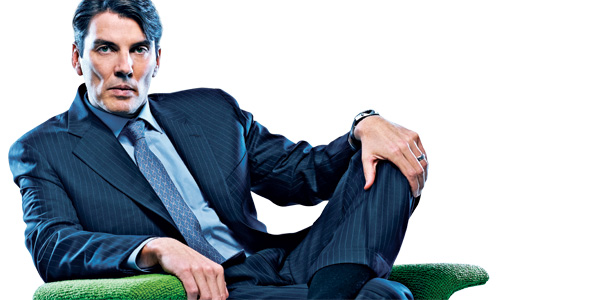
Fired for taking a photo: Remember a while back when a disgruntled HMV employee live tweeted redundancies in the marketing team? This week saw a similarly painful example of corporate downsizing going viral. AOL CEO Tim Armstrong assembled staff from his hyper local news division Patch (which he founded and brought into AOL) to inform them of impending doom.

During the speech, Armstrong made a point of underlining his view on how leaking information about Patch to the press doesn’t affect him: “I don’t care.”

Moments later, Patch’s creative director Abel Lenz takes out his camera and moves to take a photo for Patch’s Intranet.

Armstrong stops in mid sentence, turns to Lenz and orders him to put the camera down.

Another pause, before Armstrong continues: “Abel, you’re fired. Out!”

Why has everyone from the Indie, Forbes, Daily Mail, Bloomberg to the New York Times covered this story? Because all of it was recorded and uploaded to Soundcloud where over a million people have listened to the moment a guy was fired for taking a photo for the company Intranet.

Armstrong has since issued an apology for the rather crass firing, explaining that Lenz had been warned previously not to make recordings of confidential meetings. Why the whole spiel about not caring about leaks in the first place? Bizarre.

The power of video: A great presentation by @LeslieBradshaw to show why video is the best way to get your message across in today’s time and attention poor environment.

  • With ever smarter phones and portable devices as well as faster data connections, videos are already mobile
  • The moving image grabs our attention and we’re more likely to stick to it. I love the line ‘You’re more likely to be struck by lightning than click on a banner ad’ – it rings true. When was the last time you clicked on an ad?
  • Video bypassess the ‘TL;DR mindset’ – people are scared by long texts are likely to not even attempt reading them. The fact that ‘TL;DR’ is a common web abbreviation for ‘too long; didn’t read’ speaks volumes
  • It seems to always be a video that goes viral (except, of course, if it’s Giraffe Bread…! Imagine if we’d created a video with Lily explaining why we changed the name?)

And while we’re on virulent video: Twitter has published a marvelous piece about how videos go viral, using the examples of “Ryan Gosling doesn’t like cereal”, “Dove’s Real Beauty” and Commander Hadfield’s intergalactic Space Oddity cover.

Why I’ll be drinking Warsteiner from now on: I spent my Wednesday evening watching a rubbish Germany draw 3-3 with Paraguay, and England make hard work of Scotland. Accompanying me were a large stuffed crust Pepperoni Pizza and a bottle of Warsteiner. I felt suitably bloke-ish and decided to tweet this glorious ensemble.

No long after, @Warsteiner_UK responded and retweeted me.

Now. I’ve been doing this social media lark for a good while now, and I know this isn’t hard to do for a company. I suspect that Warsteiner don’t have the biggest market share in the UK (Becks seems to be the German beer of choice here), and a quick look at Sysomos shows that in the last 30 days, 488 tweets from the UK have mentioned Warsteiner – most of those mentions coming from their own account.

Still, I found my choice of beverage validated. I am writing about it here. And you know what, I will be more inclined to keep a look out for Warsteiner the next time I’m at a bar or in the BWS aisle in my local Sainsbury’s (mind you, it also helps that it’s a mighty tasty beer, but that’s another story).

Social media creates many such opportunities for brands and businesses to listen for and respond to the people using their products. I wasn’t looking for a retweet or any other response. I didn’t @ them or # their brand name. But they are quite clearly out there, listening for these types of statements and responding to them. A quick retweet, fave and/or @ response really does go a long way in building a link between a customer and a brand.

Newswires are dead: Google has again updated their algorithm, punishing over-optimised press releases and bad content. Andy Barr from @10Yetis puts it rather splendidly: The murder of PR agencies by Google has been vastly exaggerated

Videos of the week: I’d really be interested to know what women think of the hot, heavy and holy-crap-I-really-shouldn’t-be-looking-at-this-at-work Agent Provocateur ad directed by Penelope Cruz and staring Irina Shayk and Javier Bardem.

The clever chaps at Paddy Power have decided to sponsor the greatest football team in the history of the game, Farnborough FC. Messi, Pele, Beckenbauer, Lineker… you’ll want to watch this great clip (HT @stangreenan).

And finally: Go to YouTube. Watch a video (for this exercise, may I suggest this one). Pause it during playback. Click anywhere on the page and type “1980”. Enjoy.

Marmite Neglect, fake fans, the return of Bebo and this week’s bits and bytes

Marmite – you either love it, or you hate it: In keeping with the traditional response that this horrible, vile substance elicits – this new ad for Marmite showing Marmite welfare officers visiting houses to save jars of Marmite from neglect and find them a new home has had everyone talking.

Within a day of the ad airing, the Advertising Standards Authority received 250 complaints from viewers. Can’t say if these are 250 very bored/sad people with no sense of humour what so ever – or a very eager PR team writing mock complaints.

Case in point: a comment on the Guardian article about the many hundreds of complaints: “Exactly. 250 people need to get a life. I mean how dull and meaningless is your life when you get so annoyed you make the effort to complain about yeast?” (HT @stangreenan)

Anyway – on Thursday, after the complaint count reached 330, Unilever announced that it would donate £18,000 to the RSPCA as an apology to animal rights activists for spoofing the important work they do. Still, the ASA is looking into it and will announce next week if it is to launch a formal investigation.

I don’t know if the ASA’s involvement was planned or genuine. I would argue however that it has definitely worked in Marmite’s favour. Due to the the threat of the ad being banned, it’s been widely featured in the media and it was the talk of Twitter.

Source: Marmite

There are a few more elements to the campaign that haven’t been so readily discussed:

  • a promoted Tweet is encouraging people to head to the microsite/Marmite Facebook app and either donate their own jar or nominate possible foster families
  • a real-life Marmite Neglect team is touring the land, visiting people’s homes to see if there are any jars to be saved from neglect
  • along with the TV ad, there’s also a series of snapshots of kitchen cupboards, with long-neglected Marmite jars poking out from between the more popular cupboard staples
  • and on Marmite’s Youtube channel, there is an interview with a Trainee Marmite Rescue Officer who talks about the tools of the Marmite saving trade

Iceberg rescues Titanic: Huge news this week as out of nowhere, Amazon founder Jeff Bezos surprised the worlds’ media by agreeing to buy the Washington Post for $250 million (to remind you, Instagram and Tumblr were recently acquired for $1 billion each).

Amongst the many breathless headlines, I thought Salon said it best with theirs: The iceberg just rescued the Titanic – and the rest of the piece is chock full of great info as well.

Meanwhile, @AllThingsIC pulled together a great post looking at how the news of the sale was communicated to WaPo staffers, including an all staff email that starts with ‘You’ll have heard the news’. While you can argue about the timing of the timings of the internal comms – ideally you’d want people inside the business to find out before the media – Bezos’ letter is a fantastic example of communicating change internally.

Fake fans: You may have caught the great piece on C4 Dispatches called “Celebs, Brands and Fake Fans“ about how some companies artificially inflate social media likes, fans and followers by buying them.

The doco shows how you’d go about building a fake community – one fake account at a time. Why any brand would invest money in this kind of approach instead of concentrating on listening to your customers, understanding and delivering against their needs, I do not know.

As @girllostincity puts it: “there are no short-cuts in building an audience. There is no ‘easy way’ to getting people to “like” you. It is a dangerous idea to think that by cheating people into thinking you’re popular (by recruiting fake people) that this will somehow transform into authentic popularity somewhere down the line.”

In response to the piece, @georgiahalston looks at how you should interpret the value of your social media following and – guess what! – the focus should be on quality (engagement, sentiment, sincerity of the audience) rather than quantity (likes, fans, followers, views). Over on Londoncalling, CEO of Kred @AndrewGrill provides thoughts on whether social media is in crisis.

Bebo’s back: I was at Aol when it acquired the social network Bebo. Aol didn’t really do much with it, it was sold to another Internet company who also didn’t really do much with it and finally it was sold to the original founder of Bebo, Michael Birch. Birch has just released a brilliant – and very NSFW – clip that harks back to the glory days when Bebo was the centre of the web (for you younger kids, this was after MySpace and waaay before Facebook) and arguably the single biggest repository of illustrated cock and balls ever. Yes. You read that correctly.

Shocking PR win for Apple: Fake iPhone chargers have been known to electrocute people, sometimes leading to victims falling into a coma or death. Apple have recognised that this issue could lead to considerable brand damage – not to mention questions about why their chargers are so danged expensive that there is a market for fakes in the first place, and, you know, dead people – and have announced a USB power adapter takeback program.

This will allow customers to bring their fake chargers to Apple and in receive an official Apple charger for half the price. Very, very clever stuff. Not only does it make them come off as the good guys, they’re driving sales on the back of it.

Tesco Watford: Hat’s off to the chaps at Tesco and Google Maps for producing this great walk through of the newly renovated Watford Extra. Pretty, sure, but I prefer a supermarket that understands the value of values.

Videos of the week: The Premier League is coming to US broadcaster NBC and they’ve produced a great little clip of Spurs and their new American manager’s first few days in the job

Messi wears a suit fitted with hundreds of LEDs to create some pretty trippy stuff in Adidas’ new ad for their space aged boots

You’ll watch what others tweet: Tweets about TV shows make people tune in to those TV shows, according to new data from Nielsen.

The new Facebook: If you’re super keen to try out the new Graph Search function on Facebook, all you need to do is change your language to ‘English US’.

And finally: Why it’s important to be able to tell the difference between airlines and airlanes.

Twitter trolls and this week’s bits and bytes

Don’t feed the trolls? The big news this week was regarding calls from activist Caroline Criado Perez and others to put Jane Austen on a £10 note. An honour that many agreed was deserved and appropriate. And rightfully, they have received much praise – but also a storm of the most vile and disgusting abuse, rape and death threats via Twitter.

Is it Twitter’s job to police the platform? Yes. Should the police get involved when threats are being made? Absolutely. But as @Euan argues, what about the rest of the Twitter population? More of us should take the often tough decision to stand up and say something when we see others in our circles indulging in unacceptable behaviour.” In the spirit of the age-old mantra for community managers the world over @girllostincity thinks that we’re giving trolls too much attention and should stop feeding them.

Del Harvey on Newsnight

Twitter has been criticised for their slow reaction and for the awkward and desperately defensive appearance on Newsnight of their Head of Trust and Safety, @delbius. It didn’t help that she spoke almost exclusively in corporate bingo phrases, felt it was necessary to outline how long she had been at Twitter in response to the opening question, or that she went on to admit that the “dozens or so” people in her team are essentially playing catch to the “rocket-ship” that Twitter has become.

Critics are calling for many things, one of which is a way for users to report abuse. But is a ‘report this’ button really going to help? @sharonodea argues that it’s likely to create more problems than it solves, as the trolls might treat being reported and banned as a wind-up to be ignored – and confirmation that they are getting attention.

What to do?

Twitter suggests you find the link to the form with which you can report abuse on Twitter on their website – a form that requires you to fill in 11 fields of data and that seems to be largely unknown outside of the US, at least going by the bitly stats on clickthroughs. Definitely needs some simplification here…

However, as @MartinBelam rightly puts it, this isn’t a technology problem – this is a misogyny problem: The abuse directed at woman is a representation of the level of abuse that women are expected to tolerate outside of Twitter as well. It is absolutely right that we should be standing up and saying that this is unacceptable; not just online, but in society in general. We’ll need to work both online and offline to win that battle.

Social media and business continuity: A serious heading for a serious topic – how does social media affect traditional business continuity and crisis communication plans? @stevef2412 notes that the time between an incident taking place and the first tweet about it is about 30 seconds. Depending on the nature of the incident, many more tweets are likely to follow. So what are the critical things an organisation has to get right almost immediately? Read the post to find out.

Hacking your own Twitter: Pretending your account’s been hacked in order to get people talking and increase your followers (what, you think rubbernecking only applies to crashes on the motorway? People love gawking at disasters no matter where they’re happening). Please people: focus on helping, informing and amusing your followers rather than coming up with daft ways of inflating your follower numbers.

Why PR is your best marketing weapon: Not one of the usual posts with top X ways to do Y better. Instead, a helpful and honest piece from @wadhwa about seven ways to get top PR. For those of you who want to TL;DR it – a quick summary below – the rest, I strongly recommend giving it a read.

  • Learn what makes news by – surprise, surprise – consuming news
  • Focus on the needs of the journalist and build relationships
  • Package announcements into a news hook
  • Don’t ignore the small media organisations – they will help build your credibility
  • Make time for journo requests – the first to respond generally get included in a piece
  • Be honest, be yourself and have an opinion

All you ever wanted to know about SEO: A monster deck of 101 slides on the past two decades of search engines (remember Webcrawler?). What we learn is that people figure out how to game Google rankings, they score massive traffic for a short while before Google updates their algorithms and ranking methods and everybody starts looking at ways of gaming the new system. All resulting in where were are today with inbound marketing, where by publishing the right content in the right place at the right time, your message becomes relevant and helpful to your customers, not interruptive.

Google Glass is a journalists friend: In my continuing series of possible uses for Google Glass, I’d like to point you to Vice Magazine, which has published a piece about how Google’s wearable computer has helped one of their journalists report from areas of conflict around the world.

Source: Vice

From streaming live video from Glass, accessing files on your home computer through the tiny screen placed in your field of vision while in the field, to tweeting live from rallies through a clever IFTTT recipe – it really is a fascinating look at what remote working could look like in the very near future.

Facebook content will escape the walled garden: Facebook announced this week that it is launching “embedded posts.” Does what it says on the tin: You’ll be able to take any public Facebook post and embed it in any other site that allows embed codes. It’s been rolled out to the Facebook pages of HuffPo, CNN and a handful of others – so keep an eye out for when it rolls out to more platforms and your privacy settings.

All in the same room, but not really: The living room is making a comeback, with more families watching TV at the same time – according to figures releases by Ofcom this week (I can’t embed the interview with a typical family, but it’s well worth a watch to see the difference between the generations).

Source: IBTimes

91% of us watch their main TV screen once a week – up from 88% in 2002. Unsurprisingly though, while we might all be present in the same room, with the one big screen blaring out some vacuous reality show where the latest crop of annoying attention seekers vie for the judges’ affection, we’re not really paying attention to the telly. Instead, multi-tasking is up, with almost one in two of using smartphones or tablets while watching TV and one in four sharing what they’re watching through social media.

Some really interesting stats about how the Great British public consumes the media, however, two stats really stuck with me. The first confirms that tablet devices really aren’t mobile devices (85% of tablet owners keep it at home), while the second just shows that anybody who thinks their website won’t need a touch-screen optimised device should think again (91% of parents said their children use a tablet).

Holiday season and social media: Heading out to some tropical island paradise? The Guardian looks at the pitfalls of annoying all your friends back home with smug photos of deserted beaches, pouty selfies and self-satisfied Hashtags along the lines of #lifeshardbutsomeonesgotodoit. Also, Please do us all a favour and don’t succumb to the ‘legsie’ – if you do, make them look as awesome as this one (HT @a_little_wine).

Shoshone Point, Grand Canyon

And finally: Going through a rebrand to appeal to younger, hipper audiences? Try the Hipster Logo approach

Sainsbury’s Christmas, pilot name shenanigans, how to use Hashtags and this week’s bits and bytes

Christmas in July: Yup, hottest days of the year and the @SainsburysPR team spends them in a beautifully made up basement in Covent Garden to show off Sainsbury’s gorgeous Christmas collection, from fantastic festive food and drink to classy home and clothing ranges and even floral!

Our Twitter Wall was back, encouraging the assembled press and bloggers to tweet their impressions using #SainsburysChristmas. In turn we posted photos and tasty Vines (shot and directed by our very own @a_little_wine) to show off the crimbo collection that will be coming to a store near you this Christmas.

Of course, we were all well chuffed when The Daily Telegraph’s Steve Hawkes tweeted his approval. Bring on Christmas!

Sum Ting Wong: Not long ago, an Asiana Airlines flight crash landed in San Francisco. In one of those ‘I can’t believe this actually happened’ moments, KTVU, a local news station, announced that the pilots of the Asiana flight had been named:

  • Sum Ting Wong
  • Wi Tu Lo
  • Ho Lee Fuk
  • Bang Ding Ow

I kid you not.

Soon after – and unsurprisingly – KTVU issued an on air apology, saying that the names were “not accurate, despite a National Transportation Safety Board (NTSB) spokesperson confirming them”.

Who was this spokesperson? This from the NTSB website

Earlier today, in response to an inquiry from a media outlet, a summer intern acted outside the scope of his authority when he erroneously confirmed the names of the flight crew on the aircraft.

The summer intern has since been fired, but I’d suggest the NTSB revisit their crisis comms procedures. Something is clearly not quite right there…

Above the cloud advertising: Staying with air travel for a bit longer – Ryanair has decided that sticking ads on every conceivable surface inside their planes and annoying passengers with ads blasted at full-volume on the PA system isn’t enough. After all, the whole outside area of the plane is still pretty much blank! It’ll only cost you £20,000 a year to get your creative on a Ryanair’s plane, for example the tips of the wings and the main body of the plane. Doubt BA or Easyjet will take them up on it.

Source: Business Insider

Facebook fangate: You know the bit you get on some Facebook brand pages where you have to “like” the page first before you can see the content? That’s a fangate. With Real Life Connect you can now set up a real-life fangate that uses RFID technology to identify your Facebook fans as and when they come into your stores and reward them with real life perks. The example in the clip below of showering customers with confetti and kisses is somewhat cheeseball, but you get the idea (HT @mike_mcgrail).

A nifty way then of breaking down those barriers between your Facebook and bricks and mortar stores. Although the key will be to come up with an in-store/real-life perk for the customer (discounts, free stuff, or even just the recognition) that balance with a benefit for the retailer (increased loyalty, personal connections).

The link between off and online will need to be seamless and automatic. Even with something as simple as Foursquare mayorships, which provide much the same mechanic and opportunites as Real Life Connect’s RFID approach, this approach to rewarding loyalty have found little pick up. Not once have I been rewarded for being the Mayor of a cafe or restaurant – and I’ve looked!

Combine this with existing loyalty schemes or apps however, and you might be on to something!

Tweet and thou shall be saved: In terms of rewarding fans for following a brand on Twitter, the Vatican may be on to the ultimate incentive – absolving Catholics of their sins. The Pope this week announced that anyone who follows his World Youth Day service on TV, radio or via Twitter will receive plenary indulgences.

When bylines go wrong: The heat might be getting to the subs at the Sunday Mirror. They carried a nib about a bridge funding scandal; and where you’d usually find the name of the journo that had written the piece, there was a rather colourful snippet of a sentence (HT @tabloidtroll).

https://twitter.com/tabloidtroll/status/356455793605877761

How to use hashtags on Twitter: A great little 2-minute-guide to how you should use hashtags on Twitter by @garyvee. Instead of trying to make your own hashtags trend (as Gary notes, only The Bieber has that kind of power, infuriatingly), you’ll be much better off listening to what is already popular and then adding to those conversations and trends where you have the authority/content/right to play.

Videos of the week: Johannesburg Zoo were keen to get in on the social media action, but rather than hire a social media team, they decided to promote from within. Their resident honey badger “BG” got the gig (HT Alex Crouch).

A spectacular ad for Johnnie Walker starring none other than martial arts über-legend Bruce Lee. It took nine months to produce, with every shot, every detail was painstakingly assembled, animated and rendered through CGI. As the director puts it – a sculpture in a different medium (HT @KaiFischer).

A great little clip from Arsenal Football Club from the pre-season tour through Vietnam (not signing anyone or winning any titles, don’t be silly). A fan runs alongside the team coach for a good five miles, the bus finally stops and he climbs aboard. Dream come true (HT @stangreenan).

The Superhumans are back. No pressure.

And finally: Desk safari (HT @AndrewDumont).

Iceclimb, Royal Mail’s poultry apology, your brain going viral and this week’s bits and bytes

Greenpeace Iceclimb: In what was an incredibly literal interpretation of the term PR stunt, six Greenpeace activists scaled London’s Shard building to raise awareness of the negative effects of drilling in the Arctic. The news quickly spread on via Twitter (that’s where I saw that The Shard was trending) and media outlets quickly picked it up. By Thursday evening, #Iceclimb was still in the top trending topics and the Evening Standard had it as their front page with another double spread on pages 6/7 including all the key messaging from the Greenpeace campaign.

Poultry apology: A fascinating exchange between a disgruntled Nando’s customer, Nando’s customer service and the Royal Mail about a Nando’s voucher issued in apology that was (apparently) stolen by the postal service – all playing out on Twitter. The chaps running the Royal Mail account show great courage by rolling with the punches and following Nando’s suggestion of apologising to the customer for losing the voucher – by drawing a chicken.

Read the exchange for yourself (it’s worth it!) – all I wanted to point out here is: how bizarre is it that both the Metro and Poultry World ask permission to use the hand-drawn image of the chicken!?

Twitter Media Blog: I suspect that the Greenpeace activity and possibly even the Royal Mail chicken apology will make an appearance on the new @TwitterMedia blog – a place where Twitter promises to showcase the best uses of Twitter by the media industry, including marketing, advertising and journalism. And what better way to announce it than a quick Vine.

Journos going ever more digital: Broadgate Mainland surveyed financial journos and found that they are increasingly seeing digital popularity as a measure of success – while print is falling in importance. Key bits from the study:

  • Twice as many journalists now use digital means to source stories compared with 2012
  • Three quarters of financial services journalists increasingly rely on press releases and PR generated commentary
  • 87% of journalists prefer to be pitched to by email – phone pitches come in at 8%
  • 45% of journalists said Twitter is their favourite social media outlet for sourcing news (down from 57% last year – the novelty might be wearing off?)

This is your brain on viral: A fascinating post about the Temporo-Parietal Junction – the part of our brain that is most active in deciding what we share on social media. MRI scans showed that the TPJ lights up like a Christmas tree when we start thinking about how and who with to share a story, a video, an image.

Google Glass and retail: Google Glass is coming and while some use it to film bar brawls and the resulting arrest, But what could wearable computing mean for retail? Nothing much going by Econsultancy: Google Glass doesn’t offer any more customisation options than todays’ smartphones.

Meanwhile, over on Marketingland, they look at the privacy debate around Google Glass and how much of it has been driven by hype and fear. An interesting (and long read!), but good if you’ve been worried about the army of bespectacled geeks roaming the world and/or the NSA plugging in directly to your eyeballs.

Your Tour: I’m more of a runner, but even I have to admit that Google’s tribute to the 100th Tour de France is quite nifty. To begin with they had a great Google Doodle and now I’ve come across Your Tour a great site that combines Google maps, Streetview and other nifty gadgets to give you a handle-bar-perspective of some of the most famous sections of this year’s and past year’s Tour. Mashable have pulled together a little video to show what it Your Tour gets you.

Videos of the week: The brilliant @MrMichaelSpicer reckons he doesn’t need Twitter, he has a horse

Honda pays tribute the curiosity of their Honda engineers and some of the most successful innovations from the past 65 years

And just ‘cos it was so good, highlights of Murray’s Wimbledon win set against Biffy Clyro’s Victory Over The Serve

And finally: Go to Vogue.co.uk, enter the Konami code (for you non gamer geeks, that’s up, up, down, down, left, right, left, right, B, A) and keep hitting A (HT @a_little_wine)

Blog at WordPress.com.

Up ↑